




Attribution
Track the impact your analytics can't see
Use the Impact Tracker to double down on the pages and campaigns that actually make a difference, and get every new attribution signal as we ship it.
Trusted by Global CMOs & Fortune 500 Brands


















AI Attribution
Connect your AI work
to business results
We start by working closely with your measurement team to define the customer journey and conversion goals, then we combine AI visibility with your available search, referral, and sales data to assess its contribution to business results.
Brand mentions and cited sources in the AI answers you track.

Brandlight Attribution LabA model built around your business.
- 01
Visibility Changes
Track how visibility changed after your actions.
- 02
Customer Outcomes
Evaluate what identified AI visitors and leads did next.
- 03
Business Contribution
Assess AI’s contribution to business results where the evidence supports it.
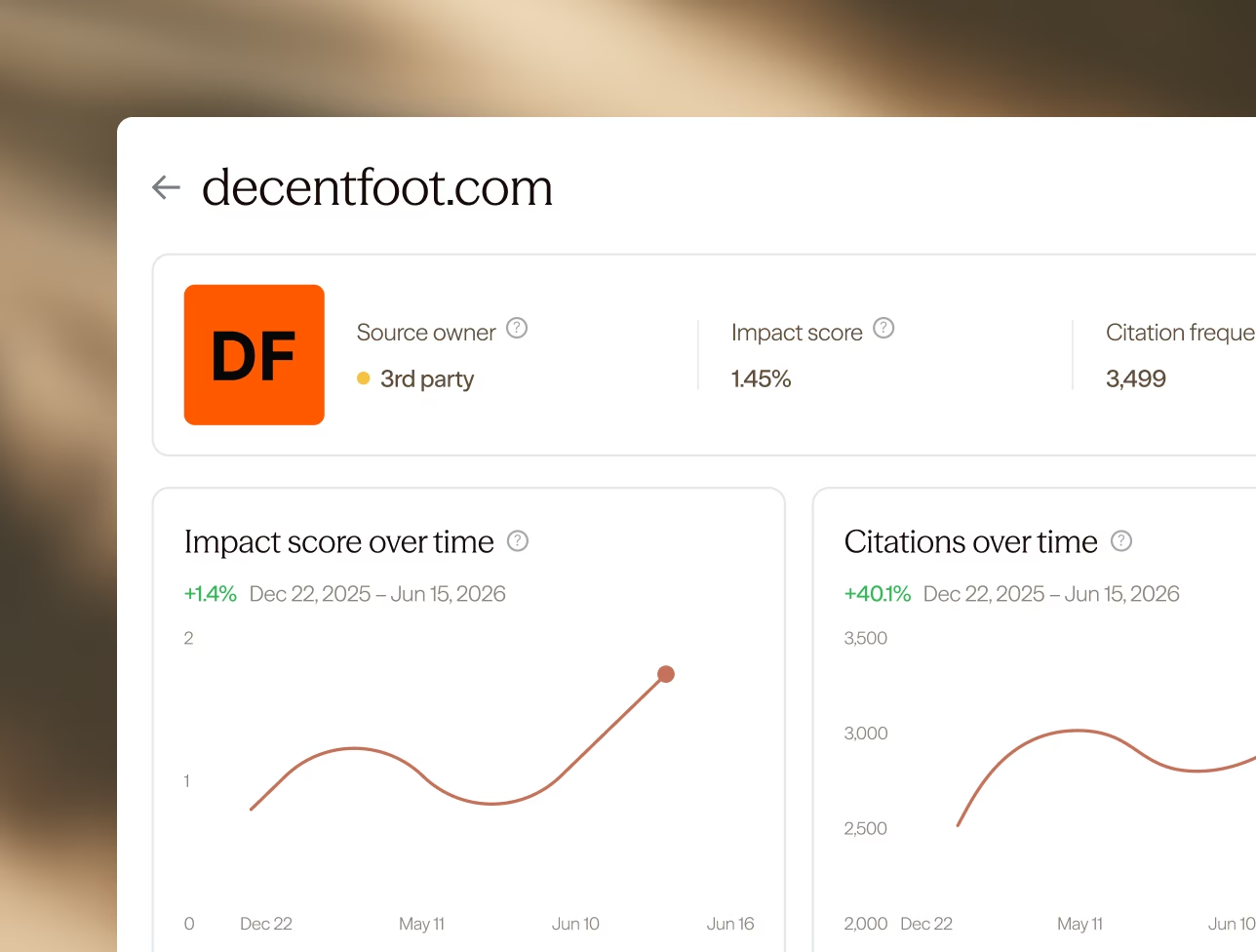
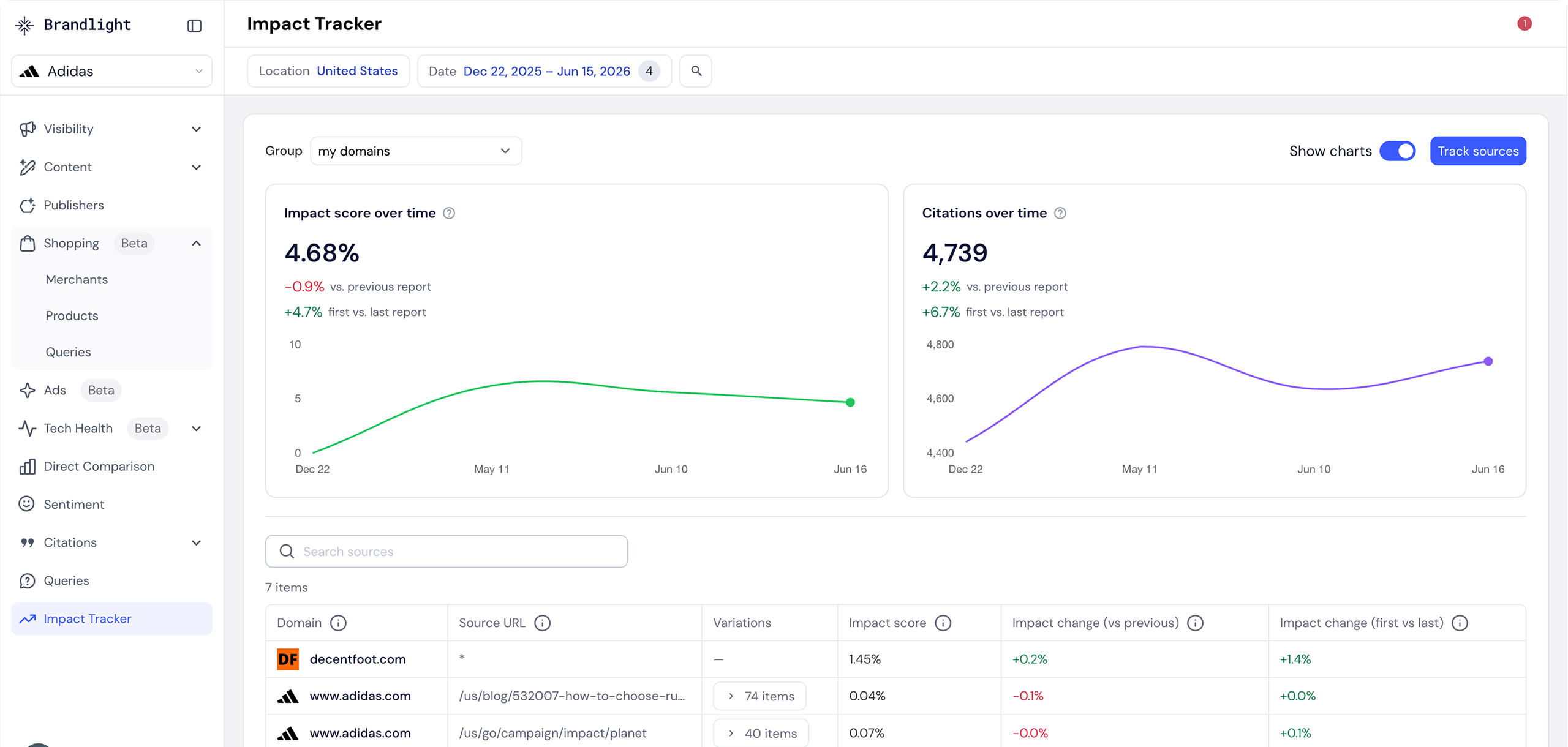
 Impact tracker
Prove what worked, down to a single page
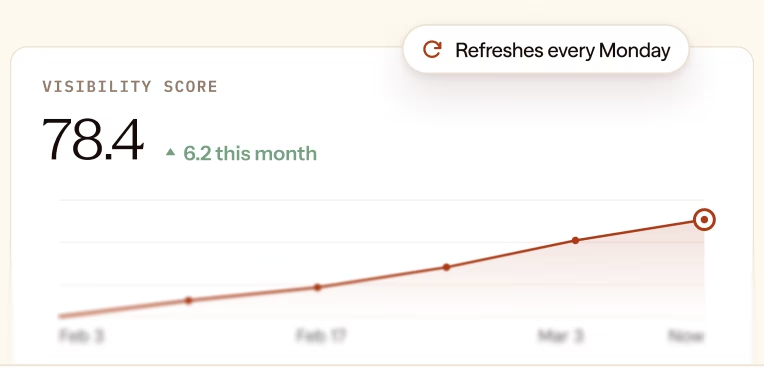
Add any URL to the tracker and see what it contributed to your visibility score, so you plan next quarter from what landed.
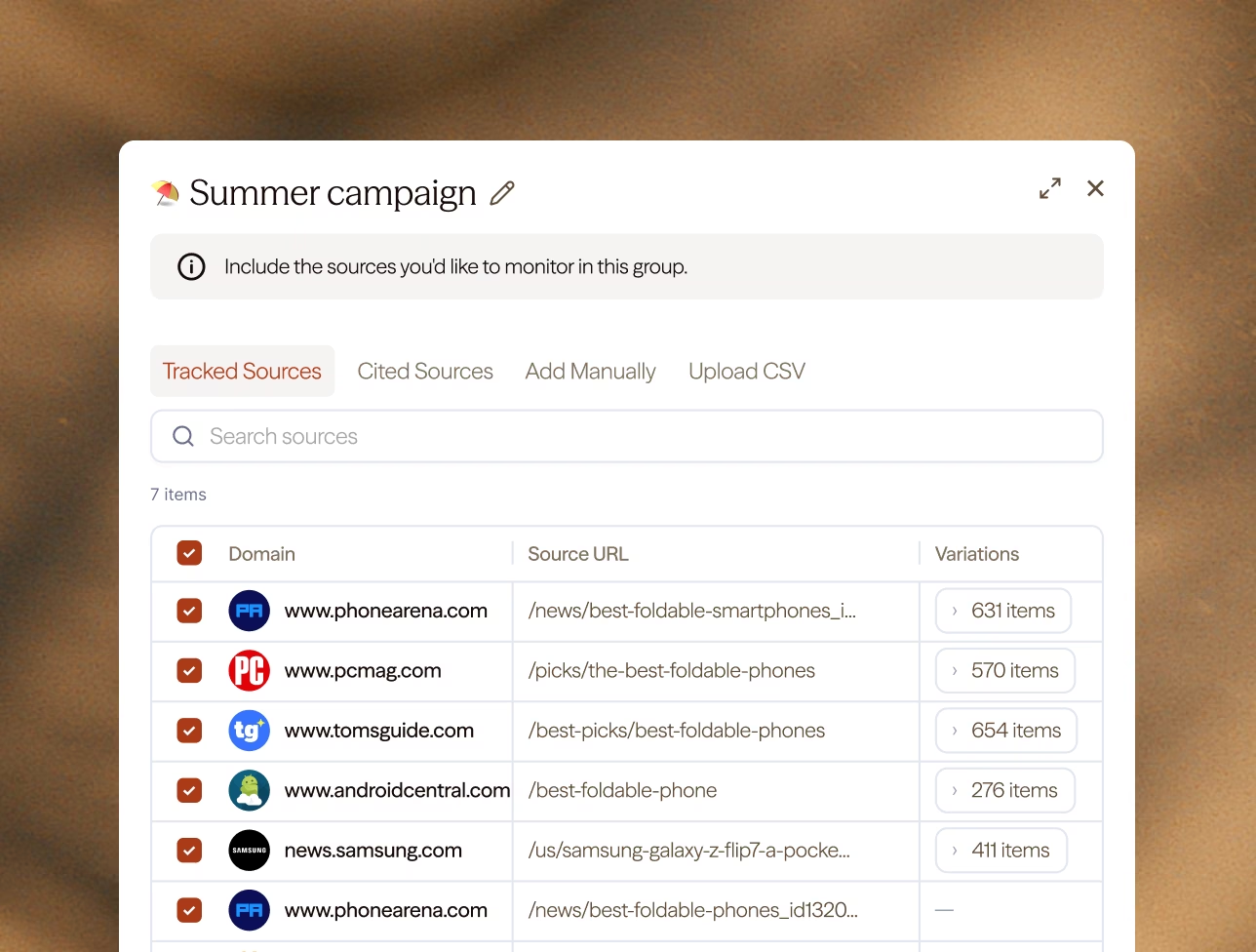
 Campaigns
Measure the impact of entire campaigns
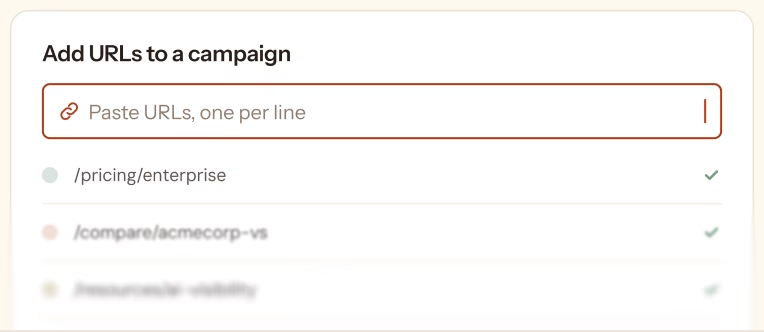
Bundle the URLs of any campaign or project into one named group, so you can measure the whole effort.
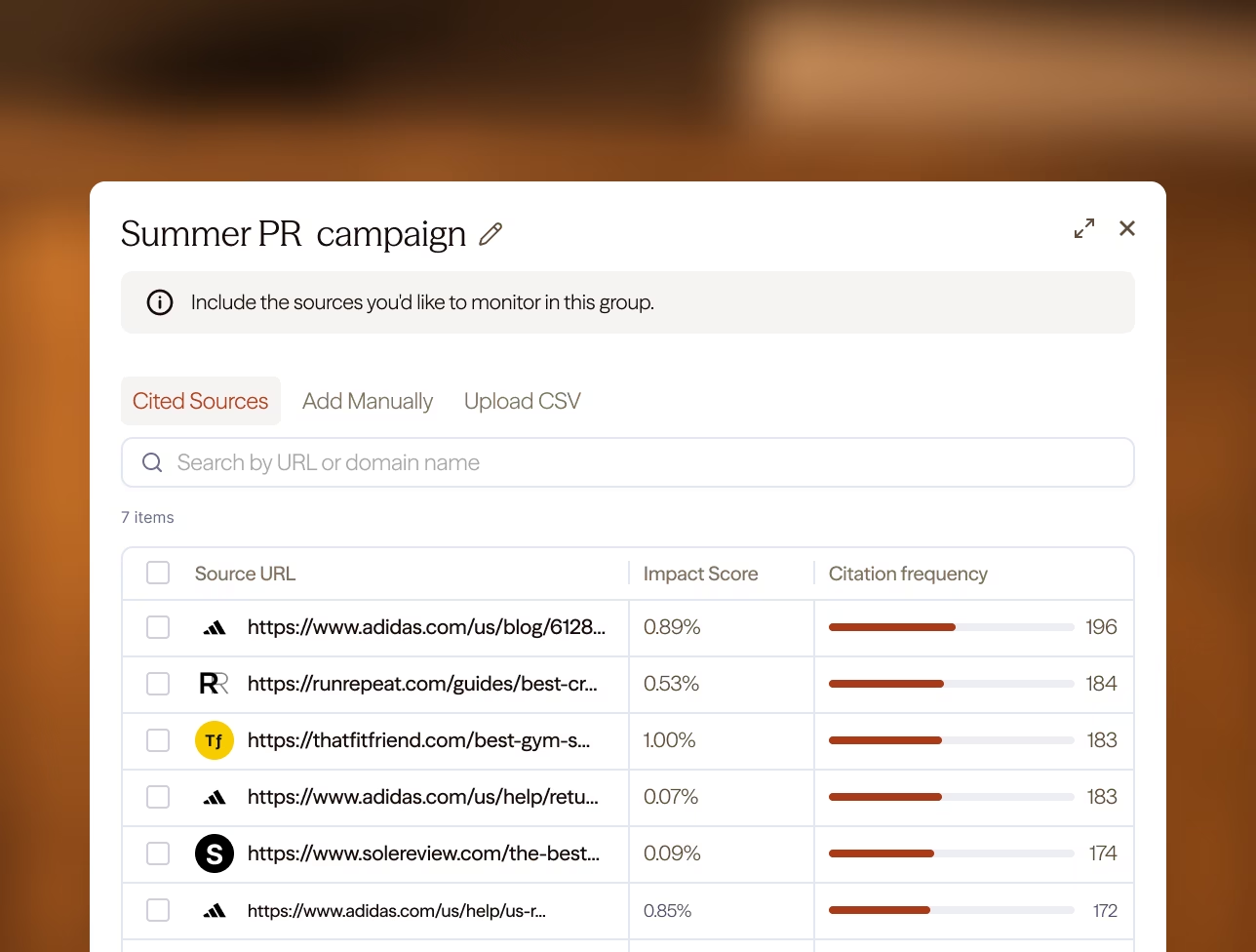
 Spike analysis
Know exactly why your visibility changed
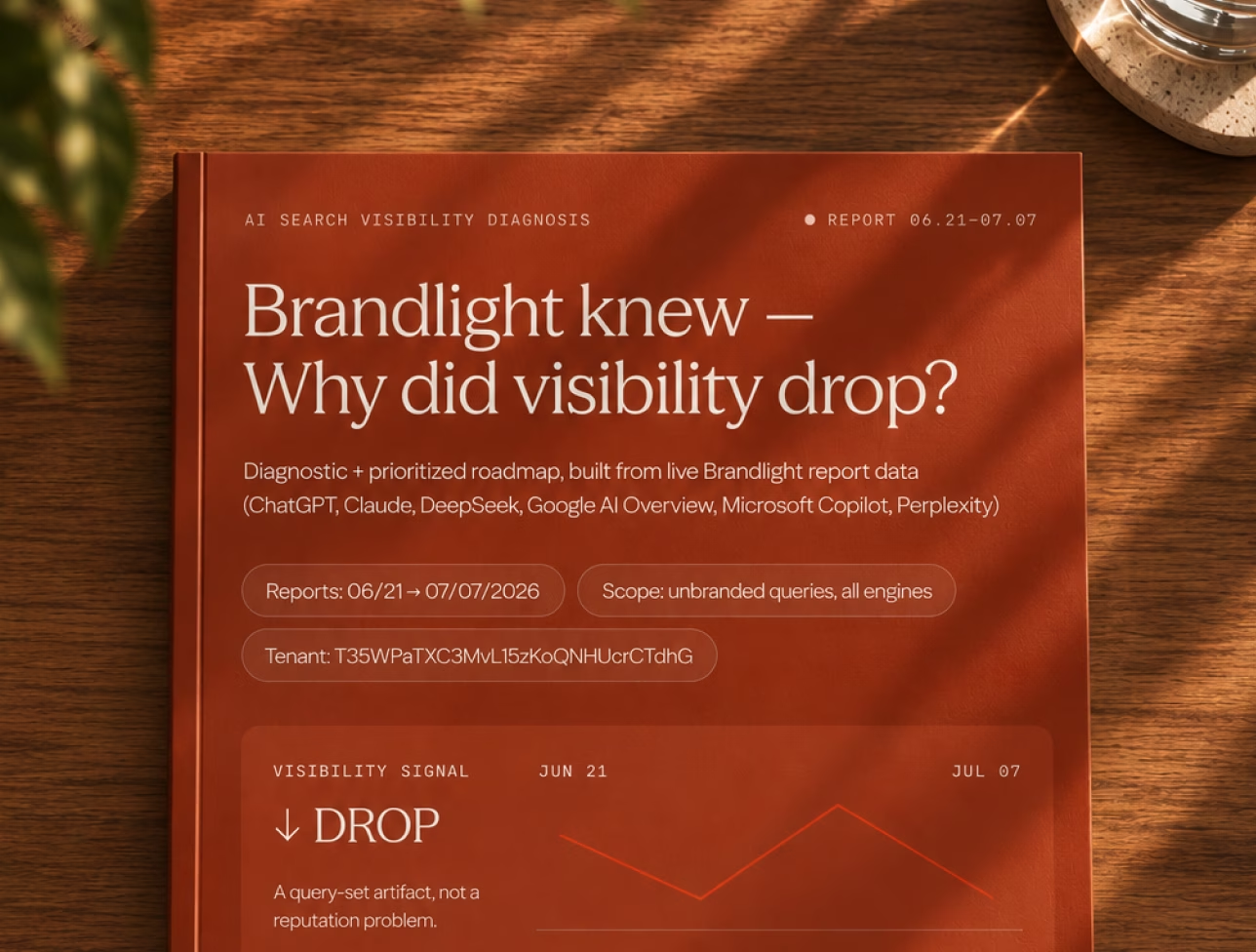
See what's behind every change: which citations you gained or lost, and which sources moved. So "why did we drop" stops being a question you dread.
 Monthly readout
Get a CMO-ready monthly readout
Get a monthly readout of what shipped and what it moved. Written by a dedicated AI strategist.
How it works
How you get the answer
Citations usually move within days to weeks. Visibility trends take longer.
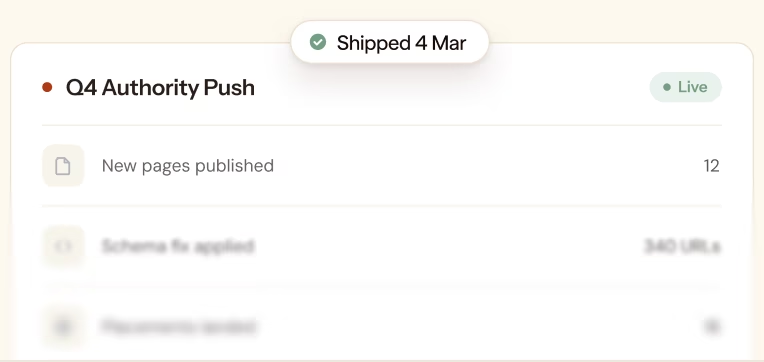
Run the campaign
Ship the initiative the way you always would. New pages, a schema fix, a batch of placements.
Add the URLs
Paste in the URLs behind it, or pick them straight from your citations view, and group them under one name.
Watch it over time
Every week the refresh updates citation frequency and each page's contribution to your visibility score.
Research program
Get new attribution signals before anyone else
Tracking impact is only the beginning. We have a whole team researching new attribution signals and adding them every month, built together with your analytics team. It's a work in progress, and you get it before anyone else.


"Brandlight showed us that AI wasn't telling the story we thought customers were hearing. Once we understood what was shaping those answers, we could systematically improve how AI represented Quicken before one of our most important customer acquisition periods."
34.2% to 91.9%
Positive sentiment
9x
Product-update visibility
+142%
ChatGPT visibility
< 5 months
25 posts published, legacy footer language replaced across hundreds of pages
Win AI Visibility together
Join the world’s leading enterprises working with Brandlight. Get an actionable platform, proven playbooks, and a dedicated AEO team working with you to turn insights into measurable results.
Loved by the teams using Brandlight
 4.9/5 · 240 reviews
Frequently Asked Questions
What kind of attribution do you measure?
Three layers. Change-level contribution per URL or campaign, measured weekly. Attribution models we build with your analytics team to connect that to your own numbers. And on the ads surface, real impression data tied back to organic.
How does this work with a last-touch attribution model that can't see AI?
It doesn't replace it. Last touch needs an event, and an answer with no click never produces one. So we measure this channel on its own terms, citations and contribution per change, and then work with your analytics team on the bridge back to your existing model.
Is the data measured or simulated?
The answers are measured. We run the queries and read what the engines actually said. Panel data helps us build the question set, but it never stands in for an engine's answer, and nothing here is inferred from CDN traffic.
How long after we make a change do we see it here?
Citations usually move within days to weeks. Visibility trends take longer. You'll see a new page start getting cited before you see the score move, and both are shown separately so you know which one you're looking at.
Can I prove the pilot was worth it within three months?
That's what the pilot is for. Week one is your baseline, everything you ship goes into the tracker, and at ninety days you have a before-and-after for each change. What that shows is contribution to citations and visibility, not revenue.
If something we shipped did nothing, will I actually see that?
Yes. Every URL you add gets a contribution figure whether it moved or not. A page that didn't get picked up shows flat, which is the answer you need before deciding whether to do more of that work.
How is this different from the reporting we already get from our media-monitoring tools?
Media monitoring tells you where you were mentioned. This tells you what your own work did about it. Every page and campaign you ship gets a measured contribution to your citations and visibility, so the report is about your decisions rather than about coverage.


Ready to Compete in the AI Economy?